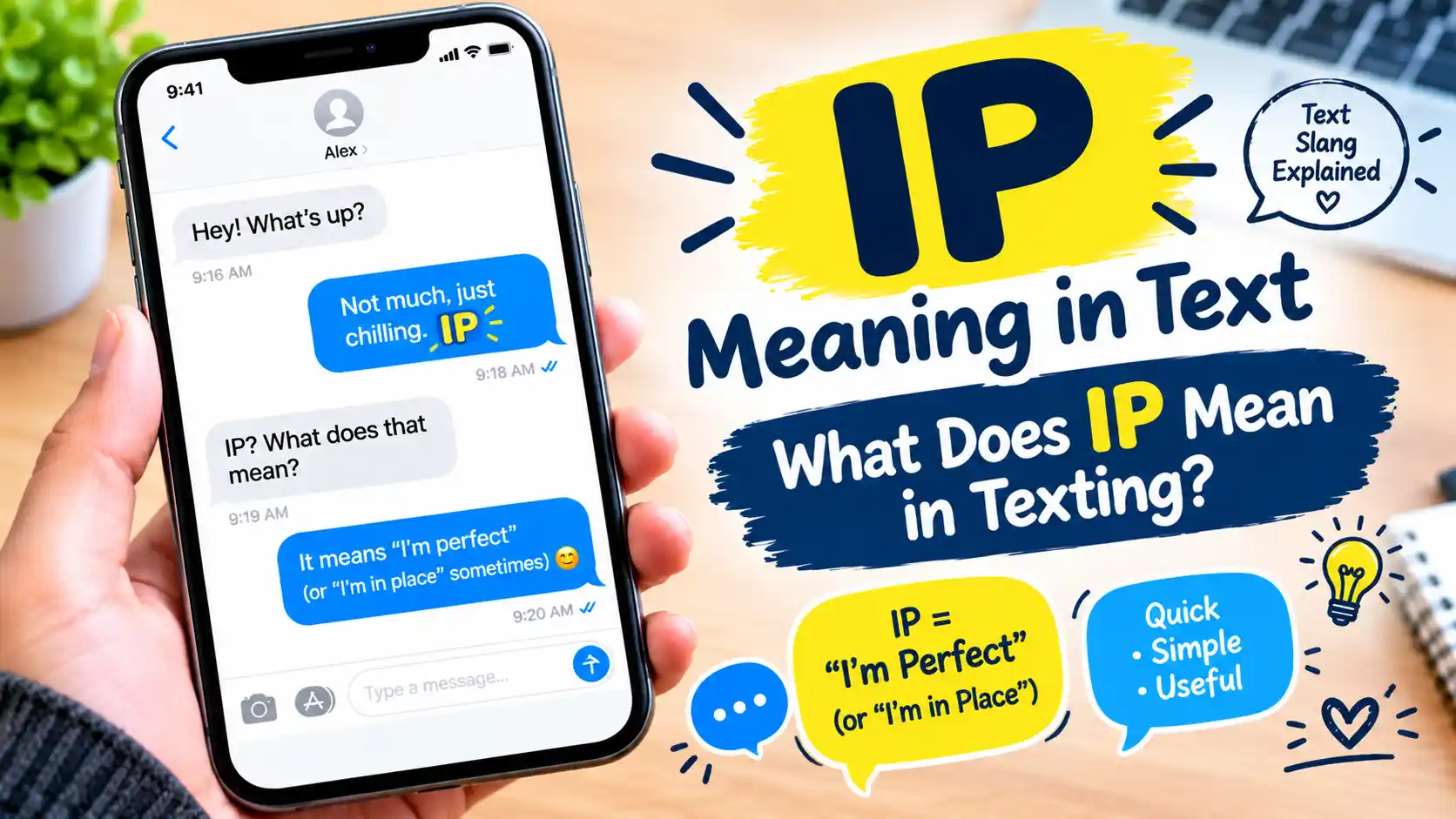
When people use short words or abbreviations in text messages, the meaning is not always clear. IP is one such abbreviation. Its meaning can change based on the conversation, platform, and topic. In technology, IP most often refers to an Internet Protocol or an IP address. However, in casual conversations, gaming, social media, or other online settings, it may have a different meaning.
Understanding IP meaning in text can help you avoid confusion when reading messages, comments, or online discussions. The term is especially common in conversations about computers, internet connections, gaming, websites, and online privacy. You may also see IP used when someone talks about tracking, locations, or network information.
In this guide, we will explain what IP means, where it comes from, how people use it, and how to respond when someone mentions it. We will also cover alternative meanings, possible misunderstandings, online communities, dating apps, and professional communication.
Definition & Meaning
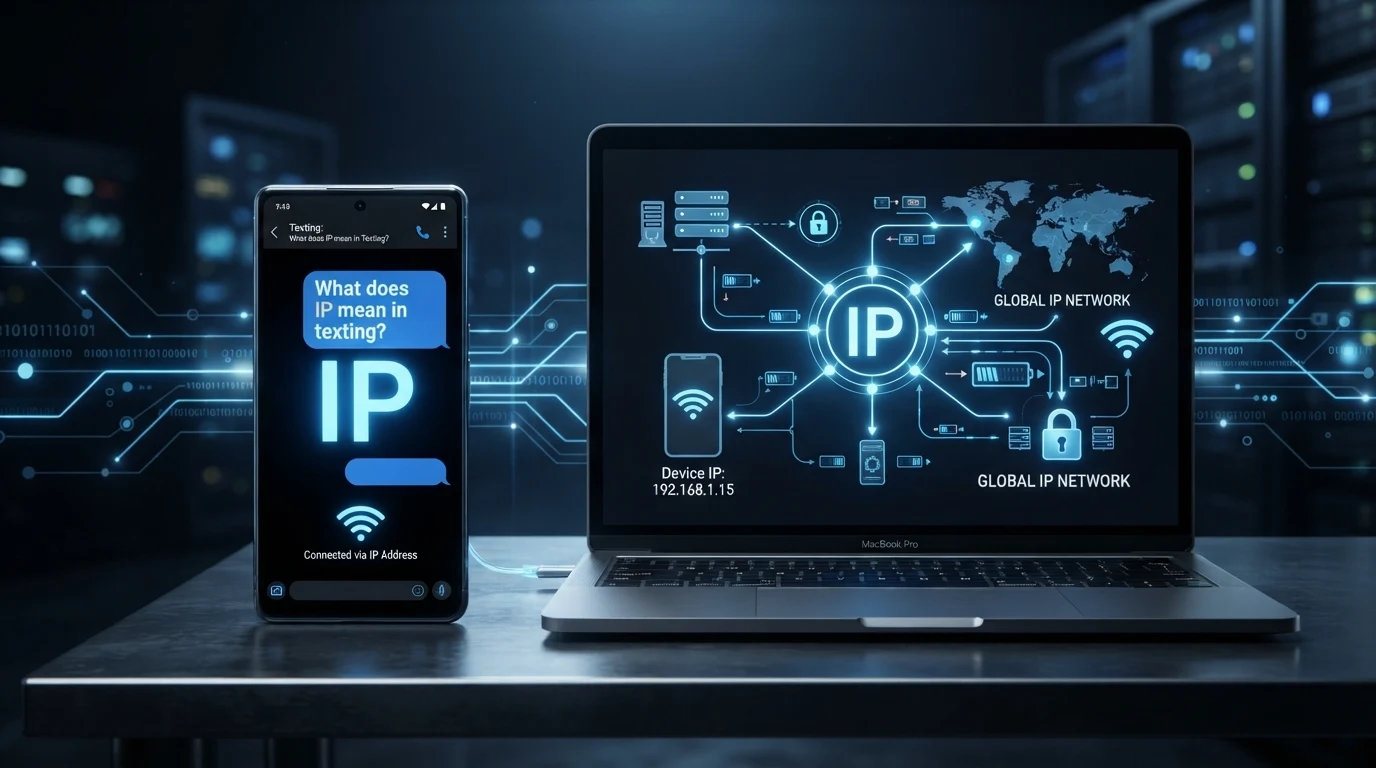
The most common IP meaning in text is “Internet Protocol.” It is a technical term used to describe the rules that allow devices to communicate over a network.
You may also see IP used as a short form for IP address. An IP address is a number or series of characters that identifies a device or network connection on a network. When someone says, “I can see your IP,” they are usually talking about this network address.
For example:
Person 1: “Why is the website not loading?”
Person 2: “Check your IP connection.”
Here, IP relates to internet networking.
Another example is:
Person 1: “Can someone find my location from my IP?”
Person 2: “An IP can provide general location information, but it does not always show your exact home address.”
In gaming, IP can also appear in discussions about servers and connections:
Player 1: “What’s the server IP?”
Player 2: “I’ll send it to you.”
In this case, server IP refers to the network address used to connect to a particular server.
IP can also have other meanings in different subjects. For example, in business or entertainment, IP may mean “intellectual property.” This can refer to characters, stories, brands, inventions, or creative works.
Therefore, the surrounding words are important. If someone is discussing Wi Fi, servers, computers, or online privacy, IP probably relates to Internet Protocol or an IP address. If the discussion is about movies, books, games, or brands, IP may mean intellectual property.
Background & History of IP
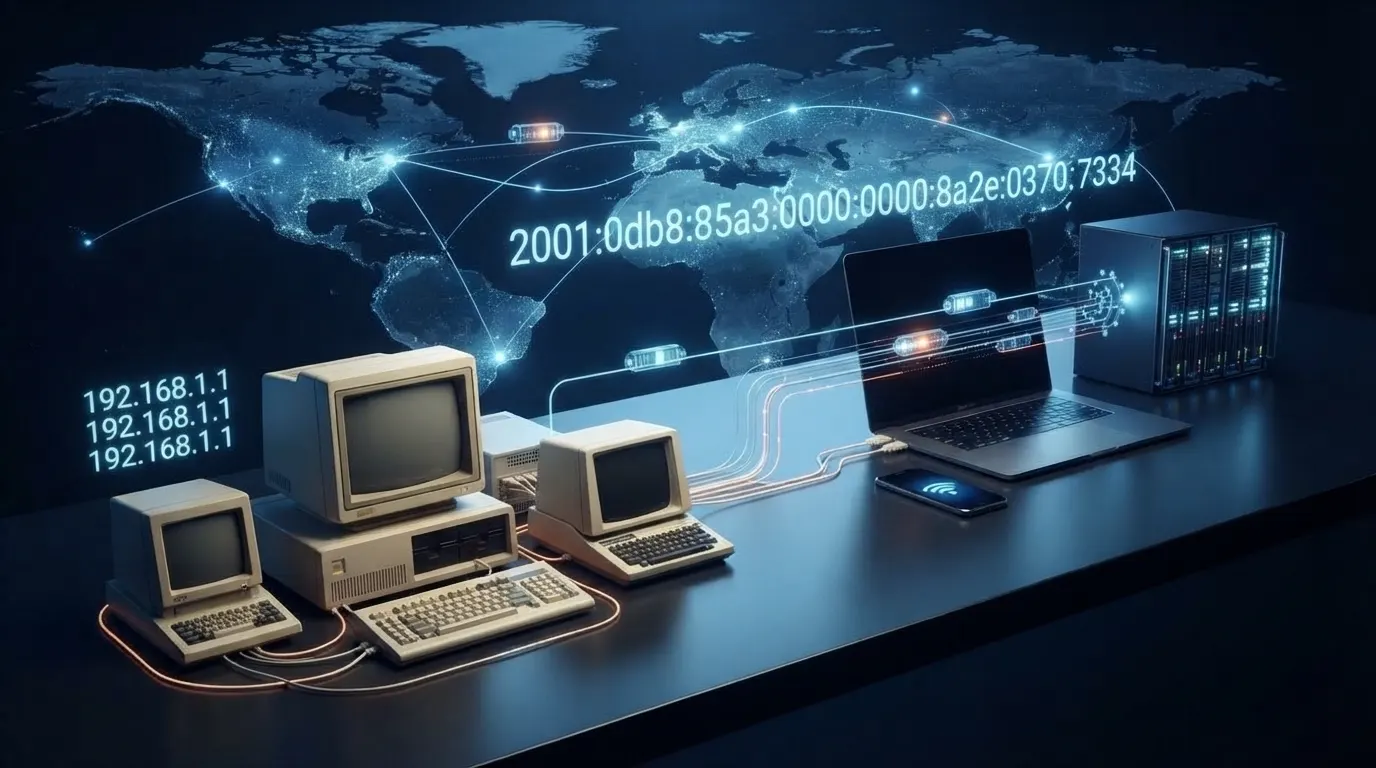
The term Internet Protocol comes from the development of computer networking. As computers began communicating with each other, engineers needed common rules that allowed different systems to exchange information.
Internet Protocol became an important part of modern networking because it helps data travel from one device to another. Instead of sending information randomly, networks use protocols to organize communication.
Over time, IP became closely associated with IP addresses. These addresses help identify devices or network interfaces so data can reach the correct destination.
The older version, IPv4, uses numerical addresses. As more devices connected to the internet, the world needed a larger address system. This led to the development of IPv6, which provides a much larger address space.
As internet use became common, the abbreviation IP became familiar to people outside technical fields. Today, you can see it in everyday discussions about Wi Fi, gaming, websites, cybersecurity, VPNs, and online privacy.
For example:
Person 1: “The game keeps disconnecting.”
Person 2: “Maybe there’s an IP problem.”
People may not always use the term with technical precision, but they often use IP as a simple reference to an internet address or network connection.
The abbreviation also developed another important meaning in creative industries. IP can mean intellectual property. A popular movie character, game franchise, book series, or fictional universe can be described as an IP.
For example:
Person 1: “That new game uses a famous IP.”
Person 2: “Yes, it is based on an existing franchise.”
So, the meaning of IP has expanded over time. Today, its interpretation depends strongly on the subject of the conversation.
Usage in Various Contexts
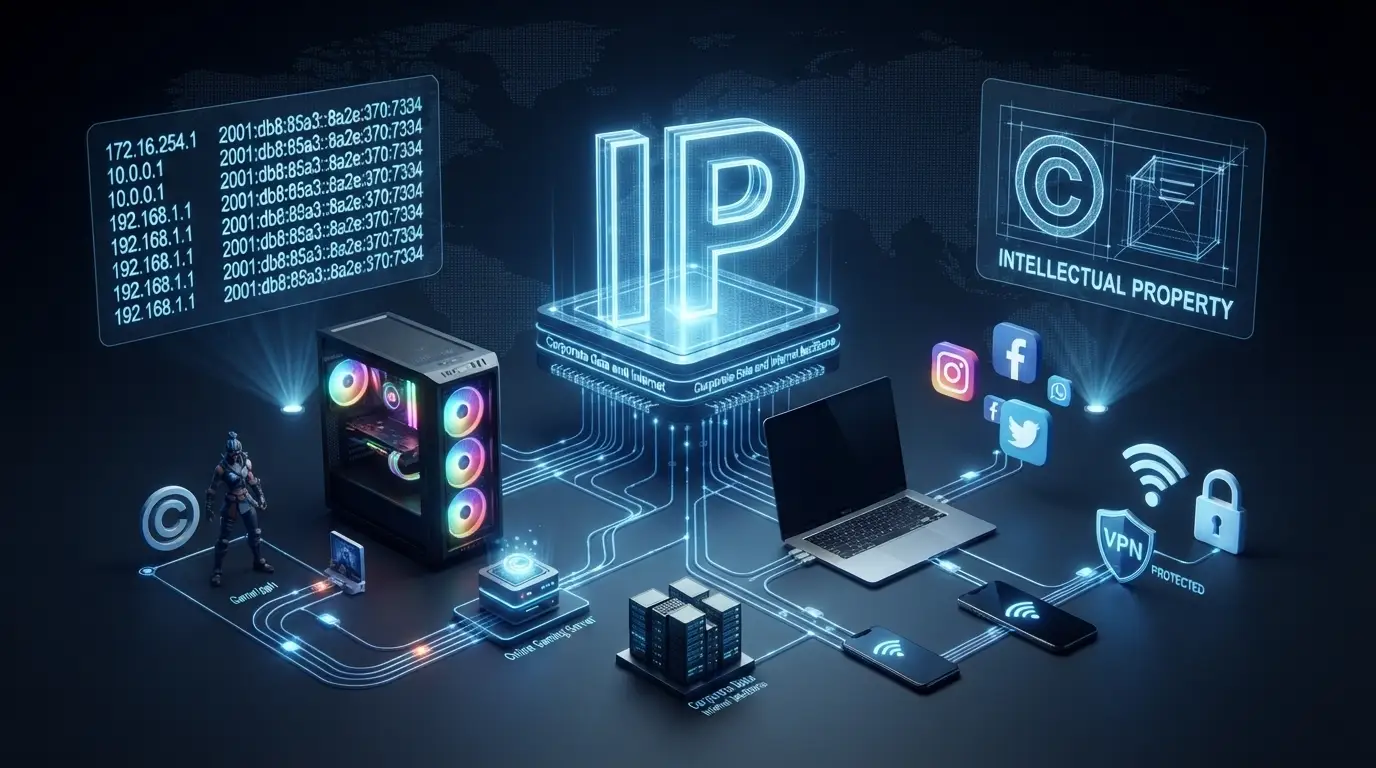
IP appears in many online and technical conversations. Its exact meaning depends on the context.
Texting
In ordinary texting, people may use IP when talking about internet connections or online privacy.
Person 1: “Can someone track me through my IP?”
Person 2: “It can reveal some network information.”
Social Media
On social media, IP often appears in discussions about online security.
Person 1: “Someone said they found my IP.”
Person 2: “Be careful with personal information online.”
People may also use IP when discussing website access or blocked accounts.
Gaming
Gaming is another common setting.
Player 1: “Send me the server IP.”
Player 2: “Sure, I’ll message it to you.”
Here, IP usually refers to the address needed to connect to a game server.
Technology
Technology discussions use IP frequently.
Person 1: “What is my IP?”
Person 2: “You can check your network settings or an IP checking service.”
Casual Conversations
People sometimes use IP without fully explaining what it means.
Person 1: “They have your IP.”
Person 2: “What does that mean?”
The correct response depends on the context. If the discussion is about internet activity, the speaker is probably referring to an IP address.
Common Misconceptions & Clarifications
One common misconception is that IP always means IP address. While this is very common online, IP can also mean Internet Protocol or intellectual property.
Another misunderstanding is that an IP address always reveals someone’s exact physical location. This is not necessarily true. An IP address can sometimes provide general location information, but it does not automatically reveal a person’s exact home address.
For example:
Person 1: “They know my exact address because they know my IP.”
Person 2: “An IP address does not automatically provide your exact street address.”
Another misconception is that every IP address belongs permanently to one person. Some IP addresses can change over time, while others may be shared by multiple devices or users.
People also sometimes assume that seeing an IP means someone has hacked a device. That is not automatically the case. An IP address can be visible to websites, online services, or other network systems during normal internet communication.
There is also confusion between IP and VPN. A VPN can change which IP address websites see, but the two terms are not the same.
Finally, when IP means intellectual property, the context is completely different.
Person 1: “This character is a valuable IP.”
Person 2: “You mean intellectual property?”
Here, IP has nothing to do with internet addresses.
Similar Terms & Alternatives
Several terms can appear alongside IP.
| Term | Meaning | Common Context |
| IP address | Network address | Internet and networking |
| Internet Protocol | Communication protocol | Technology |
| IPv4 | Older IP addressing system | Networking |
| IPv6 | Newer IP addressing system | Networking |
| Server IP | Address used to connect to a server | Gaming |
| MAC address | Hardware/network interface identifier | Networking |
| Intellectual property | Creative or commercial property | Business and entertainment |
These terms are related but should not be treated as identical.
For example, a MAC address is different from an IP address. A server IP usually refers to an IP address associated with a server. IPv4 and IPv6 are different versions of Internet Protocol addressing.
How to Respond to This Term
Your response should depend on why someone mentioned IP.
Casual Response
If someone says:
Person 1: “I know your IP.”
You could reply:
“Okay, but what do you mean?”
This keeps the conversation simple.
Funny Response
For a light conversation, you could say:
“My IP is not exactly a secret code!”
Or:
“Okay, internet detective!”
A funny response works best when the person is clearly joking.
Professional Response
If IP comes up in a work or technical discussion, use clear language.
“Are you referring to the IP address or the Internet Protocol?”
This removes confusion without sounding informal.
Privacy Conscious Response
If someone asks for your IP address and you do not know why they need it, you can say:
“Why do you need my IP address?”
You do not have to share technical information simply because someone requests it.
If the conversation involves threats, harassment, or suspicious behavior, avoid sharing additional personal information.
Regional or Cultural Differences
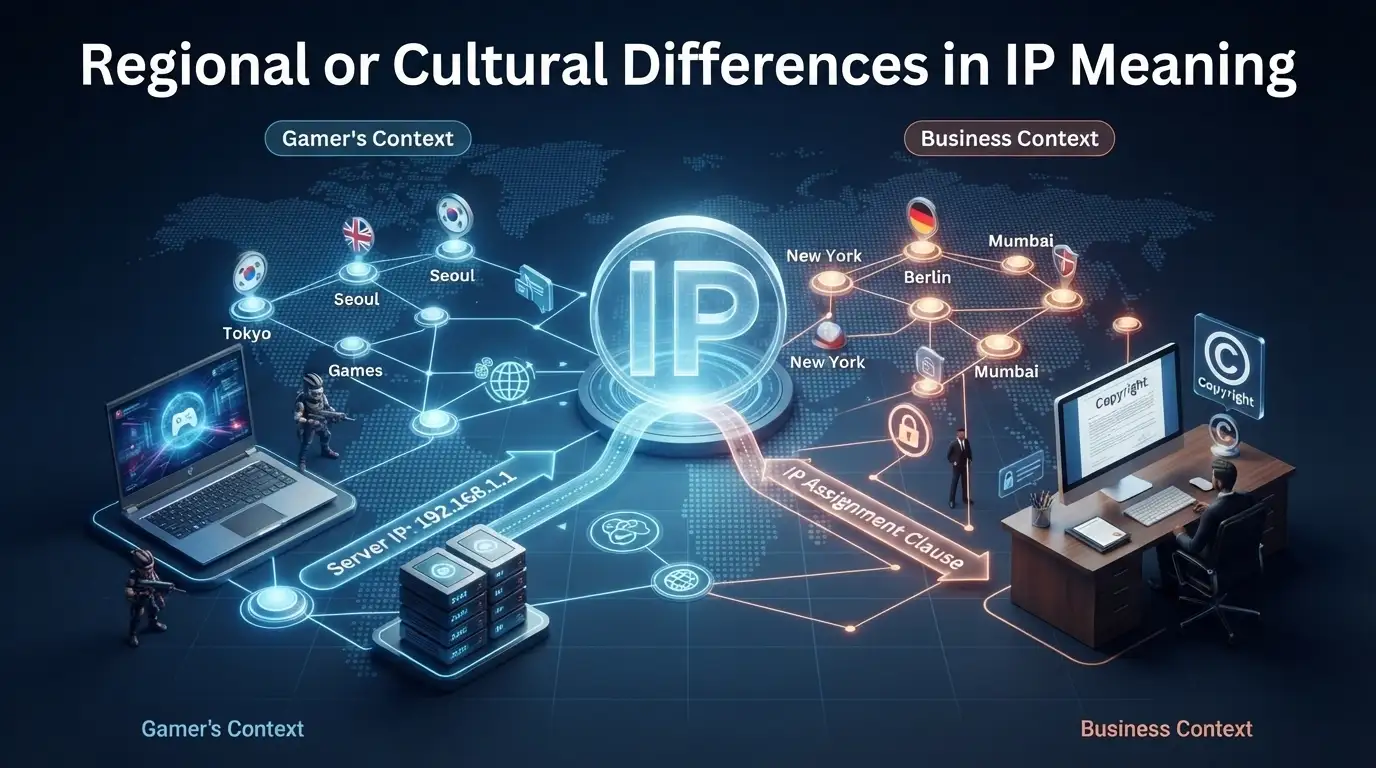
The abbreviation IP is widely recognized in technology related conversations around the world. The basic technical meaning does not change much between countries.
However, everyday usage can vary. People who work in technology may use IP naturally, while people who do not work with computers may be less familiar with it.
In English speaking online communities, IP is commonly understood in networking discussions. Similar usage can also appear in gaming communities across many countries.
The meaning intellectual property is also widely used internationally, especially in business, entertainment, publishing, and technology.
The main difference is not usually regional slang but context.
For example, a gamer may say:
“Send me the IP.”
A business professional may say:
“The company owns the IP.”
The first likely refers to an internet or server address. The second may refer to intellectual property.
Therefore, looking at the surrounding conversation is the best way to understand the intended meaning.
Comparison with Similar Terms
| Term | Main Meaning | Example |
| IP | Internet Protocol or IP related information | “What’s the IP?” |
| IP address | Address used on a network | “What is your IP address?” |
| IPv4 | One version of IP addressing | “The network uses IPv4.” |
| IPv6 | Newer IP addressing system | “Does your connection support IPv6?” |
| MAC | Network interface identifier | “Check the MAC address.” |
| DNS | System that helps translate domain names to IP addresses | “The DNS is not working.” |
| VPN | Service that routes traffic through another network | “I use a VPN for privacy.” |
These terms often appear together, but they describe different parts of networking.
If someone says “What’s your IP?”, they usually mean “What is your IP address?”
If someone says “This company owns the IP,” they may mean intellectual property.
Usage in Online Communities & Dating Apps
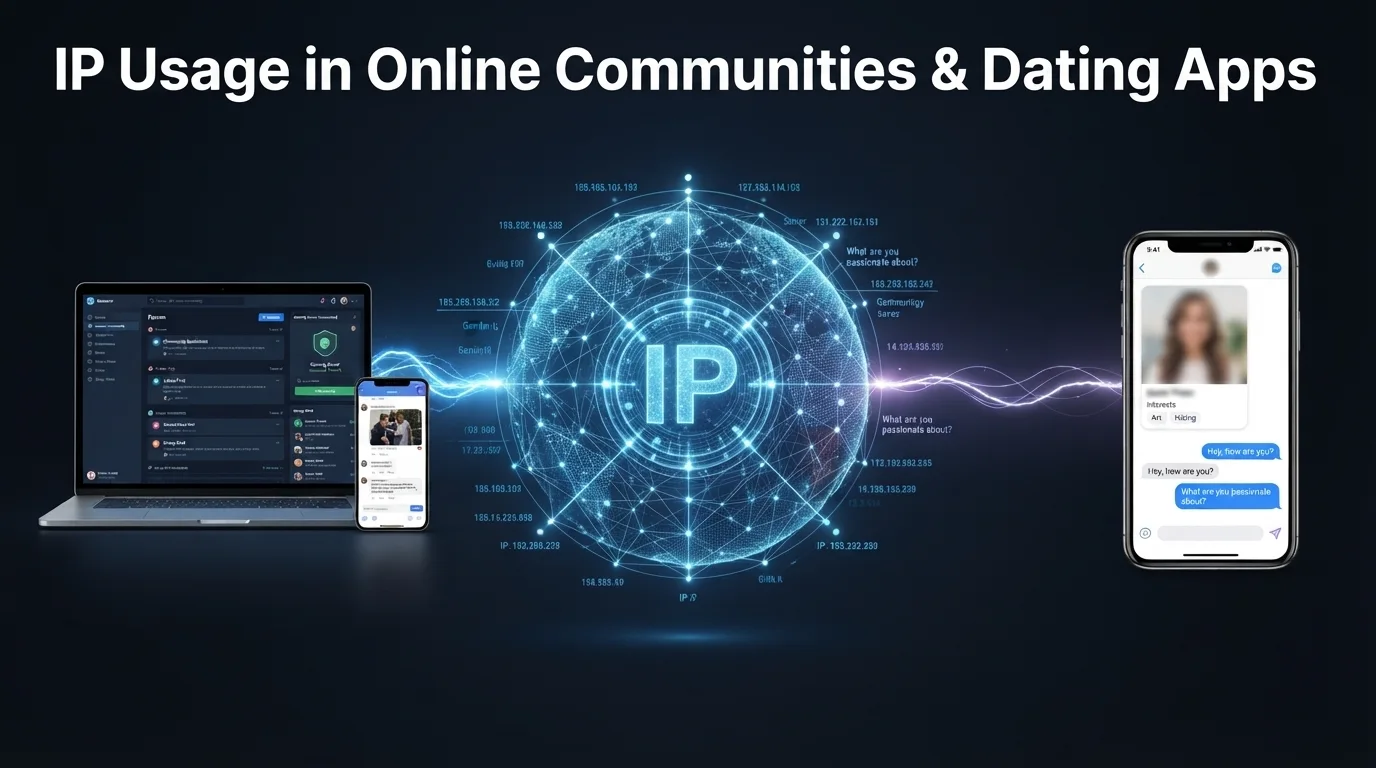
Online communities frequently use IP when discussing servers, security, privacy, or technical issues.
Gaming communities are especially likely to use the term.
Player 1: “What’s the server IP?”
Player 2: “I’ll send it in the group chat.”
In forums or social media discussions, someone may also mention an IP when talking about online security.
User 1: “Can websites see my IP?”
User 2: “Websites can generally receive network information when you connect to them.”
Dating apps may involve IP related conversations less often than gaming or technology communities. However, someone might mention IP when discussing online privacy or suspicious behavior.
For example:
Person 1: “Someone said they know my IP.”
Person 2: “Be careful about sharing personal information.”
If someone on a dating app asks for your IP address without a clear reason, it is reasonable to ask why they need it.
You should also avoid sharing unnecessary technical or personal information with strangers. If a conversation becomes threatening, aggressive, or suspicious, consider ending it and using the platform’s safety tools.
Hidden or Offensive Meanings
IP does not have one universally offensive meaning. In most online conversations, it refers to Internet Protocol, an IP address, or intellectual property.
However, abbreviations can sometimes be used differently within specific communities. A person may use the same letters as part of private slang, an inside joke, or an unrelated abbreviation.
This is why context matters.
For example:
Person 1: “The server IP changed.”
Person 2: “I’ll update my connection.”
This is clearly technical.
But:
Person 1: “That company bought the IP.”
Person 2: “Oh, you mean the franchise?”
Here, IP means intellectual property.
If you see IP in an unfamiliar message, do not assume it has a hidden or offensive meaning. Look at the words around it and consider the subject of the conversation.
When the meaning is still unclear, simply ask:
“What do you mean by IP?”
Suitability for Professional Communication
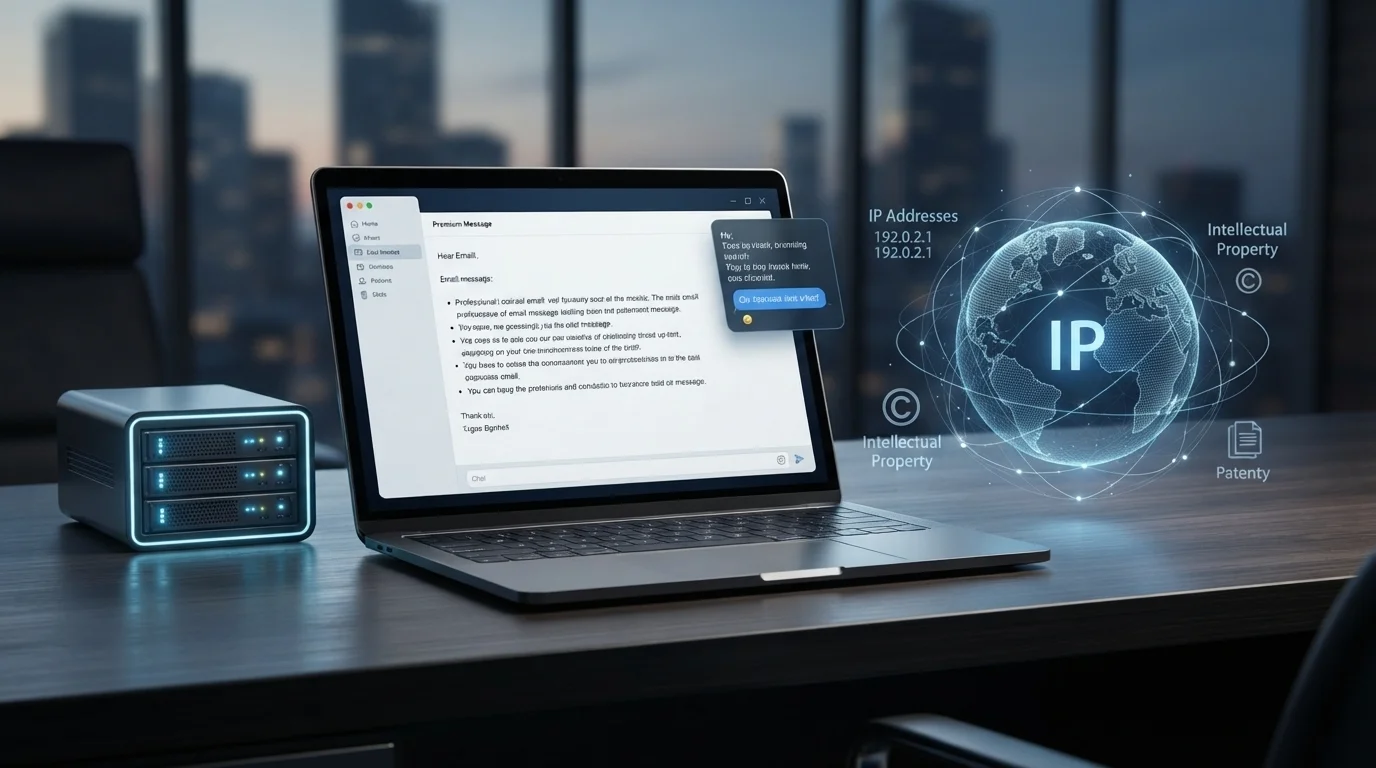
IP is suitable for professional communication when the context is technical or business related. It is not automatically informal slang.
For example, a technology professional might write:
“Please provide the server IP so we can complete the configuration.”
That is perfectly appropriate.
In a business or entertainment setting, someone might write:
“The company owns the intellectual property rights.”
This is also professional.
However, using only IP may create confusion when the audience is unfamiliar with the abbreviation. In formal writing, it can be better to explain the term first.
Instead of:
“Please send the IP.”
You could write:
“Please send the IP address for the server.”
This version is clearer.
In professional communication, clarity should come before shortness. Use the full phrase when there is any chance that readers may misunderstand the abbreviation.
FAQs
1. What does IP mean in text?
IP most commonly refers to Internet Protocol or an IP address. In business and entertainment, it can also mean intellectual property.
2. What does “send me your IP” mean?
It usually means “send me your IP address.” However, you should understand why someone needs it before sharing technical information.
3. Does IP mean Internet Protocol?
Yes. IP stands for Internet Protocol in networking terminology.
4. Can IP mean intellectual property?
Yes. In business, movies, games, books, and entertainment, IP can mean intellectual property.
5. Is IP slang?
Not exactly. IP is an abbreviation, and its use can be technical or informal depending on the conversation.
6. Is IP appropriate in professional communication?
Yes. It is commonly used in technical and business settings. For clarity, explain the abbreviation when your audience may not know it.
7. How can I know which meaning of IP someone intends?
Look at the surrounding context. Internet, Wi Fi, server, gaming, or privacy usually points to networking. Movies, games, characters, brands, or ownership may point to intellectual property.
Conclusion
Understanding IP meaning in text is easier when you look at the context. In most online and technical conversations, IP refers to Internet Protocol or an IP address. It can appear when people discuss websites, networks, gaming servers, online privacy, and internet connections.
However, IP can also mean intellectual property, especially in business, entertainment, gaming, and creative industries. Because the same abbreviation can have different meanings, the surrounding words are important.
If you are unsure what someone means by IP, the safest approach is simple: ask for clarification. In professional communication, use a more specific phrase such as “IP address” or “intellectual property” when needed. This keeps your message clear and prevents unnecessary confusion.

Noman Hassan is a content creator and writer focused on text meanings, slang, abbreviations, acronyms, and internet expressions. Through Orvexale.com, he provides clear and simple explanations to help readers understand modern texting language. His goal is to make confusing terms easy to understand with practical examples and everyday context.