When people text, they often use short forms to save time. One of these abbreviations is YDK. If you have seen YDK meaning in text and were unsure what it meant, you are not alone. The meaning is usually simple, but it can depend on the context of the conversation.
In most casual texting, YDK means “You Don’t Know.” People use it when they want to say that someone does not know a fact, situation, feeling, or piece of information. It can sound neutral, playful, or slightly challenging depending on the tone.
You may see YDK in text messages, social media comments, online chats, gaming conversations, and casual discussions. Understanding it can help you follow conversations without confusion.
For example:
Person 1: “I know exactly what happened.”
Person 2: “YDK what really happened.”
Here, YDK means “You Don’t Know.”
Definition & Meaning
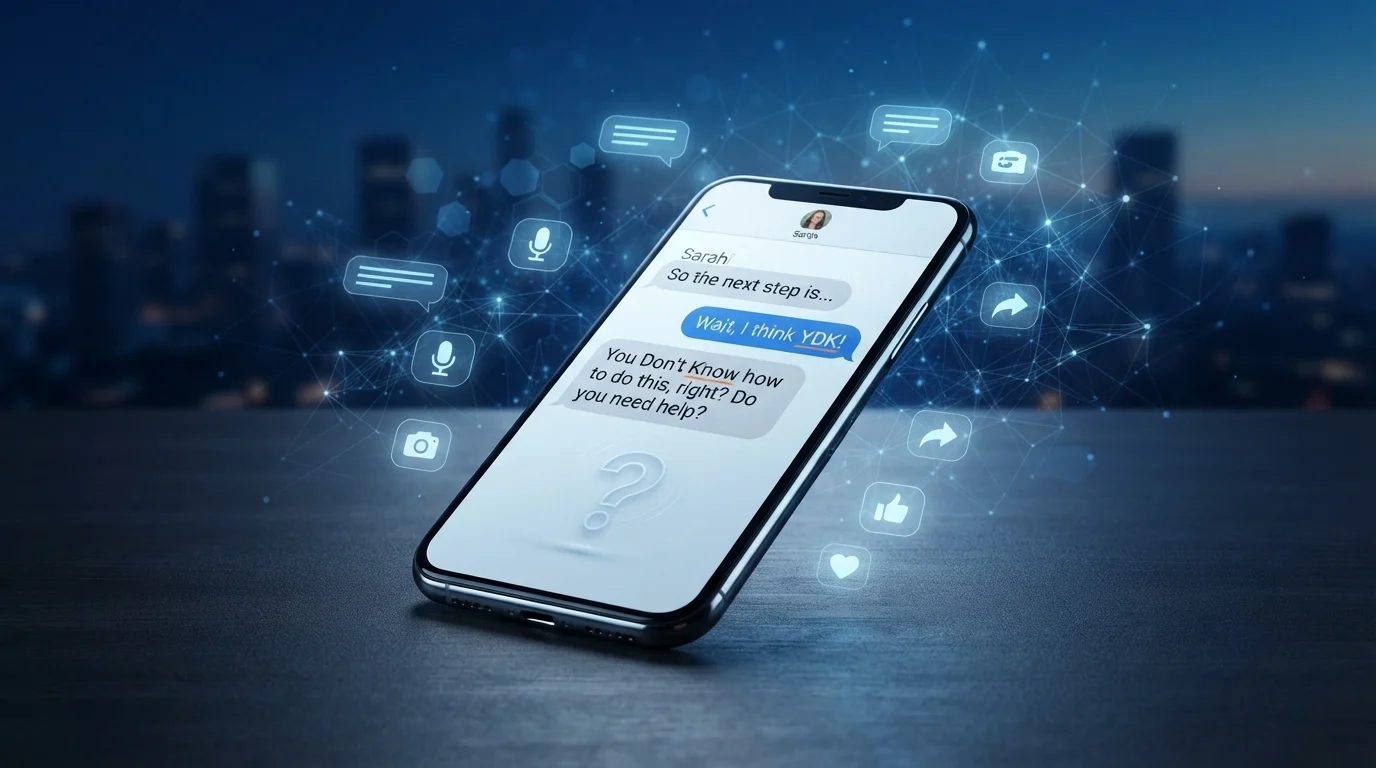
The most common YDK meaning in text is “You Don’t Know.” It is a short internet and texting abbreviation used in casual communication.
The phrase usually tells someone that they do not have enough information about a situation. It can also be used when a person believes another person does not understand what really happened.
For example:
Person 1: “You think this job is easy.”
Person 2: “YDK how stressful it is.”
In this example, YDK means “You Don’t Know.” The speaker is saying that the other person does not understand the real experience.
YDK can also appear as part of a longer sentence:
Person 1: “Why are you upset?”
Person 2: “YDK what happened earlier.”
Here, the abbreviation makes the message shorter while keeping the meaning clear.
The tone can change depending on the situation. A friend may use YDK in a playful way:
Person 1: “You think I can’t win?”
Person 2: “YDK me very well!”
It can also sound serious:
Person 1: “You should not worry about it.”
Person 2: “YDK what I am dealing with.”
Because texting is informal, people often leave out words and use abbreviations like YDK. However, the exact meaning should always be understood from the surrounding conversation.
In most cases, when someone writes YDK, they are simply saying “You Don’t Know.”
Background & History
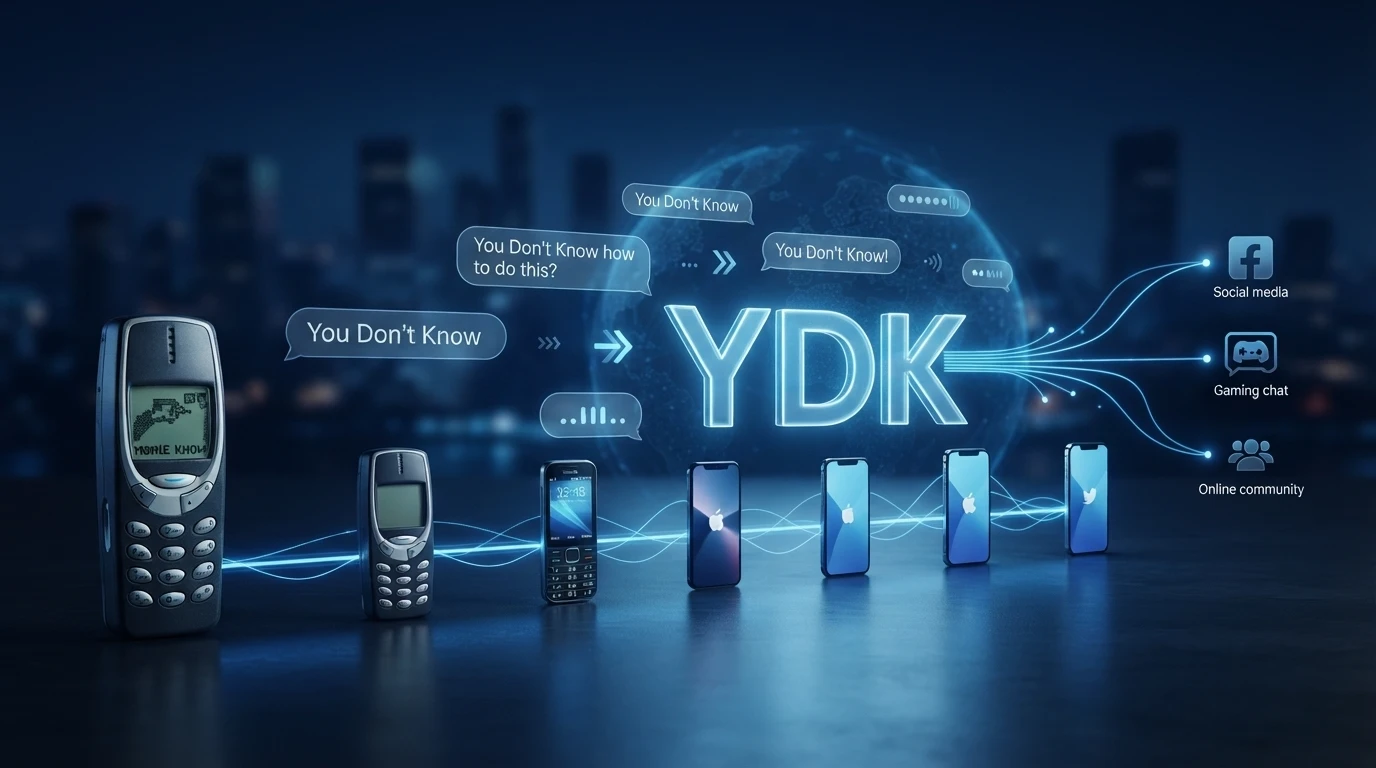
YDK developed from the wider habit of shortening phrases in digital communication. As texting, instant messaging, and online chats became popular, people began using abbreviations to type faster and keep messages short.
Instead of writing “You don’t know,” a person can simply type “YDK.” This follows the same pattern as many other texting abbreviations. The first letters of the main words are used to create a shorter form.
The growth of mobile phones played an important role in the popularity of short text expressions. Earlier texting systems could make typing slower, so short forms were useful. Later, social media and instant messaging made abbreviations even more common.
Today, YDK can appear in many types of casual digital communication. Friends may use it in private messages, while users may also use it in comments, gaming chats, group conversations, and online communities.
For example:
Person 1: “You think I forgot?”
Person 2: “YDK how much I remember.”
The meaning remains the same even when the platform changes.
YDK is not usually considered a formal English abbreviation. It belongs mainly to informal online communication. Because of this, you are more likely to see it in a text message than in a business report or academic paper.
The use of abbreviations also changes over time. Some become very popular, while others become less common. YDK remains understandable to many people who are familiar with texting language, but not every reader will immediately recognize it.
This is why context is important. If someone uses YDK with a person who does not know internet slang, the abbreviation may create confusion.
Usage in Various Contexts
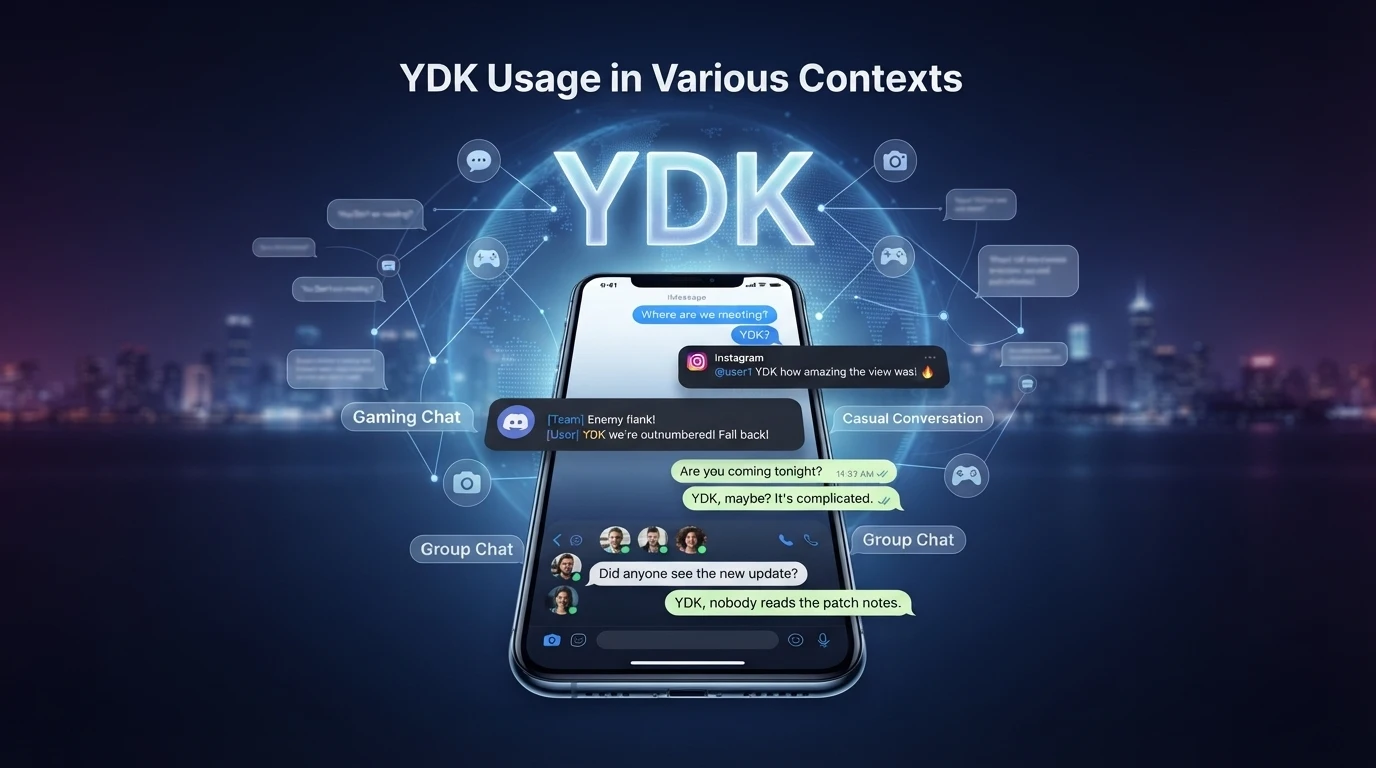
YDK is mainly used in casual communication. However, the feeling behind it can change based on the situation.
YDK in Text Messages
Friends may use YDK when discussing something the other person does not understand.
Person 1: “You think the test was easy.”
Person 2: “YDK how hard it was for me.”
YDK on Social Media
People may use YDK in comments or direct messages.
Person 1: “Everyone thinks this is simple.”
Person 2: “YDK what goes on behind the scenes.”
YDK in Gaming
Gamers may use short abbreviations because game chats often require quick messages.
Player 1: “You think you know this map?”
Player 2: “YDK all the hidden spots.”
YDK in Casual Conversations
It can also appear in everyday online conversations about relationships, work, school, or personal experiences.
Person 1: “You should just ignore it.”
Person 2: “YDK how much it bothers me.”
YDK in Group Chats
In a group chat, someone might use YDK to correct another person’s assumption.
Person 1: “He probably isn’t coming.”
Person 2: “YDK. He already told me he’s coming.”
The key point is that YDK usually means “You Don’t Know,” but its tone depends on the conversation.
Common Misconceptions & Clarifications
One common misunderstanding is that YDK always has one specific emotional tone. That is not true. The abbreviation itself is usually neutral, but the sentence around it can make it sound friendly, humorous, defensive, or rude.
For example:
“YDK me that well 😂”
This may be playful.
However:
“YDK anything about this.”
This can sound harsh or dismissive.
Another misconception is that YDK is always directed at someone in an insulting way. It does not have to be. A person can use it simply to explain that another person lacks information.
For example:
Person 1: “I thought the store closed at 8.”
Person 2: “YDK? It closes at 10.”
In this case, the abbreviation is not necessarily offensive.
People may also confuse YDK with other abbreviations because many texting shortcuts contain the letters Y, D, and K. Therefore, reading the complete message is important.
YDK can sometimes have different meanings in specific communities or private conversations. However, “You Don’t Know” is the common interpretation in casual texting.
It is also important not to assume that every person understands texting abbreviations. Someone who rarely uses social media or internet slang may not recognize YDK.
If the meaning is unclear, asking for clarification is better than guessing.
Similar Terms & Alternatives
Several phrases can communicate an idea similar to YDK.
| Term | Meaning | Typical Use |
| YDK | You Don’t Know | Casual texting |
| IDK | I Don’t Know | Saying you lack information |
| You don’t know | Full phrase | General communication |
| You have no idea | Stronger expression | Casual or emotional |
| You wouldn’t know | Suggests lack of knowledge | Context dependent |
| Not sure you know | Softer expression | Polite conversations |
YDK and IDK are especially easy to confuse.
YDK = You Don’t Know
IDK = I Don’t Know
For example:
Person 1: “What happened?”
Person 2: “IDK.”
Here, the speaker does not know.
But:
Person 1: “You think you understand?”
Person 2: “YDK the whole story.”
Here, YDK refers to another person’s lack of knowledge.
How to Respond to This Term
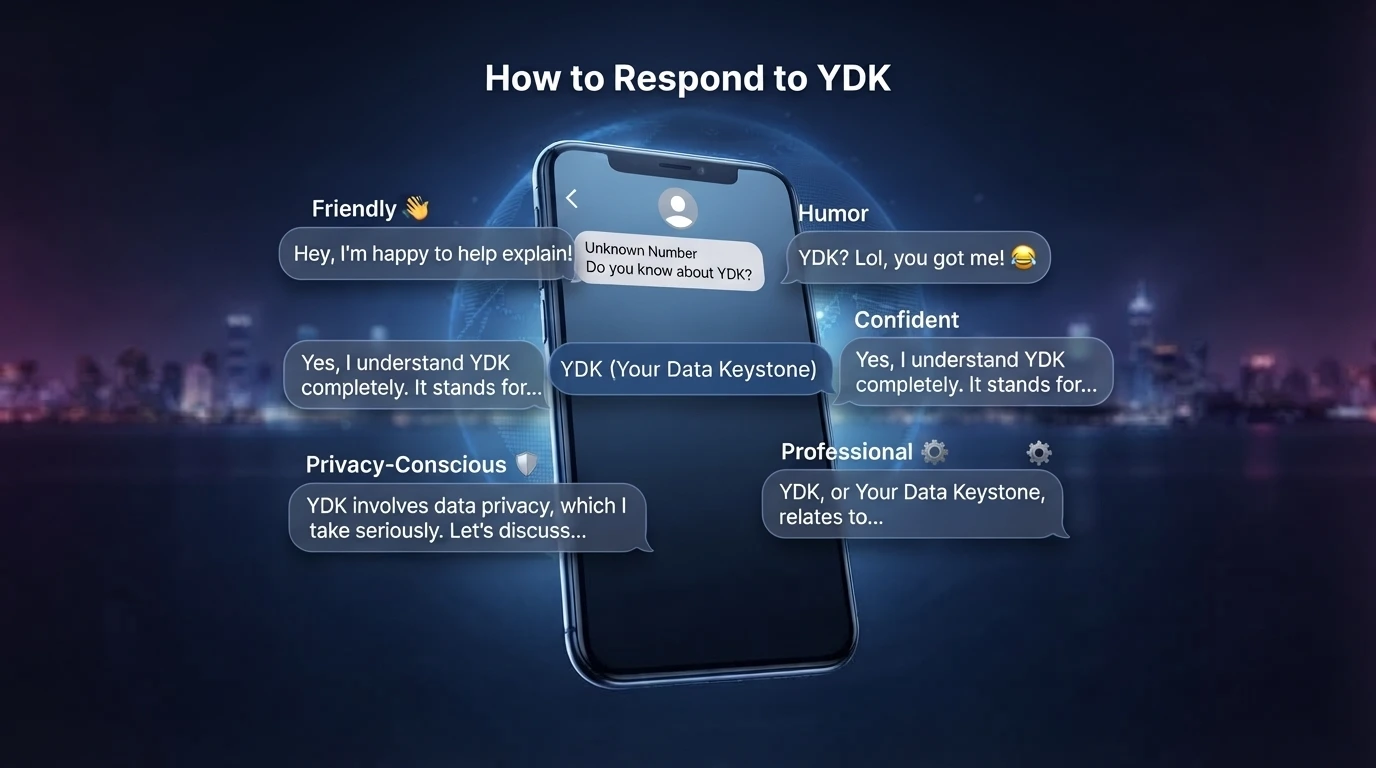
Your response to YDK depends on the tone and situation.
Casual Response
If a friend says YDK, you can respond naturally.
Person 1: “YDK what happened.”
Person 2: “Then tell me!”
Funny Response
You can also reply with humor.
Person 1: “YDK anything!”
Person 2: “Then educate me 😂”
Confident Response
If you actually know what happened:
Person 1: “YDK the truth.”
Person 2: “Actually, I do.”
Professional Response
If YDK appears in a work related conversation, it is better to respond clearly.
Person 1: “YDK what caused the issue.”
Person 2: “I may not have the full details. Could you explain?”
Privacy Conscious Response
Sometimes you may not want to share personal information.
Person 1: “YDK what happened.”
Person 2: “You’re right, and I’d rather not discuss it.”
The best response depends on the relationship, tone, and subject of the conversation.
Regional or Cultural Differences
YDK is mainly connected with English language internet and texting culture. Because English is widely used online, people from different countries may understand the abbreviation.
However, its popularity can vary from region to region.
In places where English is commonly used online, abbreviations such as YDK may be familiar to younger internet users. In other communities, people may prefer writing the full phrase or using abbreviations from their own language.
The tone can also vary between cultures. A phrase that seems playful to one person may sound direct or rude to another.
For example:
“YDK what you’re talking about.”
One person may mean it as friendly teasing, while another may understand it as criticism.
This is why online communication can sometimes cause misunderstandings. Text does not always show facial expressions or voice tone.
If you are communicating with someone from a different language or cultural background, using the full phrase “You don’t know” may be clearer.
Comparison with Similar Terms
YDK is related to several common texting expressions, but each one has a different purpose.
| Abbreviation | Full Meaning | Main Purpose |
| YDK | You Don’t Know | Says another person lacks knowledge |
| IDK | I Don’t Know | Says the speaker lacks knowledge |
| IK | I Know | Shows that the speaker knows |
| IDC | I Don’t Care | Shows lack of concern |
| IMO | In My Opinion | Introduces an opinion |
| TBH | To Be Honest | Introduces a frank statement |
| WYD | What You Doing? | Asks what someone is doing |
The most important comparison is between YDK and IDK.
YDK: “You don’t know.”
IDK: “I don’t know.”
For example:
Person 1: “What time is the meeting?”
Person 2: “IDK.”
But:
Person 1: “You think you know everything.”
Person 2: “YDK the whole story.”
Understanding who lacks the information helps you choose the correct abbreviation.
Usage in Online Communities & Dating Apps
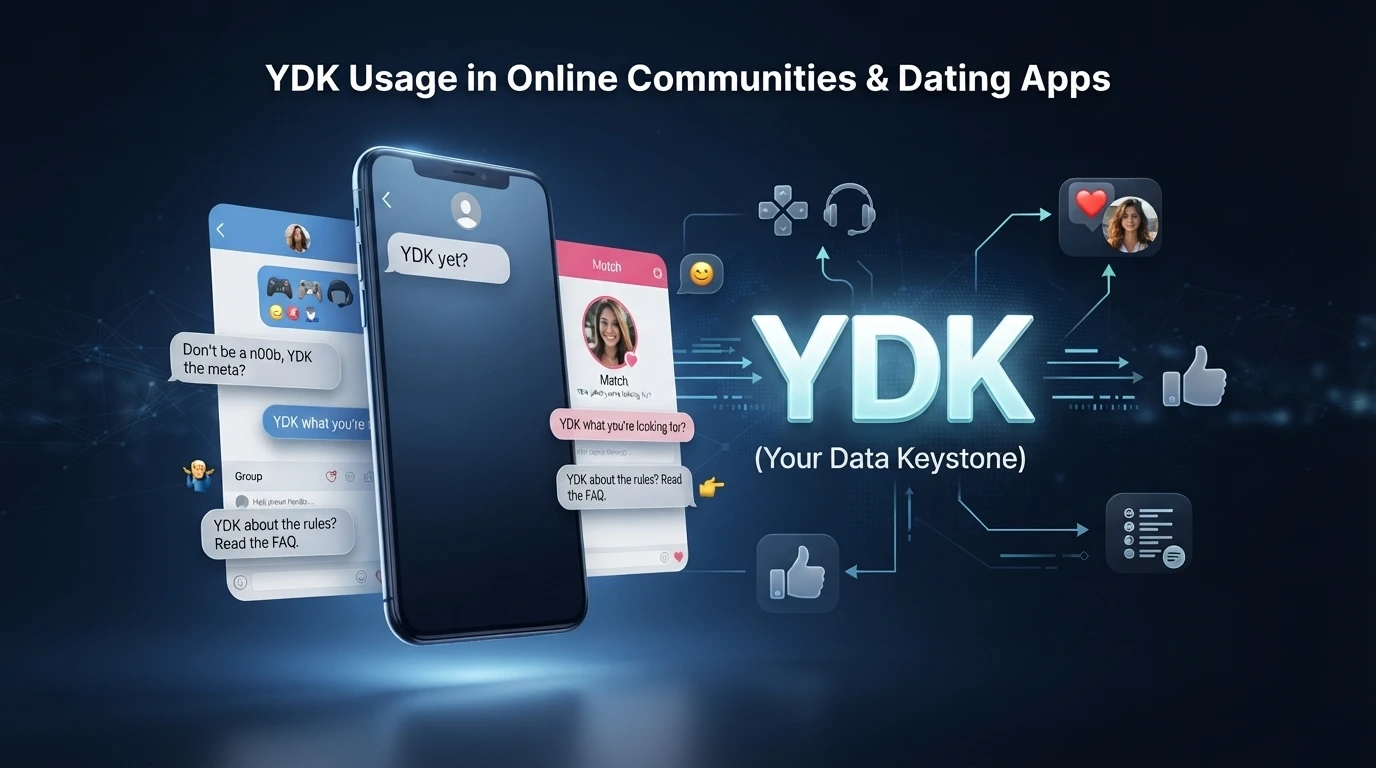
Online communities often use short expressions to keep conversations quick. YDK may appear in gaming groups, social media discussions, forums, group chats, and direct messages.
In gaming, players may use it during fast conversations.
Player 1: “I know where the enemy is.”
Player 2: “YDK where they moved.”
On social media, someone might use YDK while discussing an opinion or personal experience.
User 1: “This looks easy.”
User 2: “YDK what it took to make it.”
Dating conversations can also include abbreviations. A person may use YDK when talking about another person’s feelings or intentions.
Person 1: “You think you understand me already?”
Person 2: “YDK me yet.”
When YDK appears in dating conversations, tone matters even more. A short message can easily sound defensive or confrontational.
If you are unsure what the person means, ask:
“What do you mean by that?”
This is often better than making assumptions.
Hidden or Offensive Meanings
In most texting situations, YDK does not have an inherently offensive meaning. Its standard interpretation is “You Don’t Know.”
However, the way someone uses it can make the message sound rude.
For example:
“YDK anything, so stop talking.”
The abbreviation itself is not offensive, but the complete sentence is insulting.
On the other hand:
“YDK what happened 😂”
may simply be playful.
Some online communities can also create their own meanings for abbreviations. Therefore, unusual uses may exist in specific groups.
If you encounter YDK in a message that does not seem to fit “You Don’t Know,” look at the surrounding words and conversation.
Tone is especially important with short messages. Without facial expressions, voice, or body language, it can be difficult to know whether someone is joking or being serious.
When in doubt, ask for clarification instead of assuming the worst meaning.
Suitability for Professional Communication

YDK is generally not recommended for professional communication.
Although many people understand texting abbreviations, professional writing should be clear and direct. Using YDK in a business email, report, application, or formal message may look too casual.
Avoid using YDK in:
- Business emails
- Job applications
- Academic writing
- Official reports
- Client communication
- Workplace announcements
- Formal presentations
Instead of writing:
“YDK why the project failed.”
A professional version would be:
“You may not have the full information about why the project failed.”
Or:
“You may not be aware of the reasons behind the project delay.”
These versions are clearer and more respectful.
In casual conversations with coworkers, abbreviations may sometimes be acceptable if your workplace culture is informal. Still, using complete words is usually safer when the meaning matters.
FAQs
1. What does YDK mean in text?
YDK usually means “You Don’t Know.” It is commonly used in casual texting and online conversations.
2. Is YDK a slang word?
Yes. YDK is generally considered an informal texting abbreviation rather than standard formal English.
3. What is the difference between YDK and IDK?
YDK means “You Don’t Know,” while IDK means “I Don’t Know.”
4. Is YDK rude?
Not necessarily. The tone depends on the sentence and situation. It can be friendly, playful, neutral, or rude.
5. Can I use YDK at work?
It is better to avoid YDK in formal workplace communication. Writing “You don’t know” or a more professional alternative is clearer.
6. Can YDK have another meaning?
It can have different meanings in specific communities, but “You Don’t Know” is the common meaning in texting.
7. How should I respond to YDK?
You can respond casually, humorously, seriously, or professionally depending on the conversation. If the meaning is unclear, simply ask the person to explain.
Conclusion
Understanding YDK meaning in text is useful when reading messages, social media posts, gaming chats, and online conversations. In most cases, YDK means “You Don’t Know.” It is a short and informal way to tell someone that they do not have certain information or do not fully understand a situation.
The meaning itself is simple, but the tone can change based on the words around it. YDK may sound playful between friends, but it can also sound rude or challenging in a serious conversation. Therefore, context is always important.
Remember that YDK and IDK are different. YDK means “You Don’t Know,” while IDK means “I Don’t Know.” Since YDK is informal, it is usually better to avoid it in professional or academic writing. When used in the right setting, however, it can be a quick and convenient texting abbreviation.

Noman Hassan is a content creator and writer focused on text meanings, slang, abbreviations, acronyms, and internet expressions. Through Orvexale.com, he provides clear and simple explanations to help readers understand modern texting language. His goal is to make confusing terms easy to understand with practical examples and everyday context.